
Future Projects
Fall, 2027 (Date/Venue TBA)
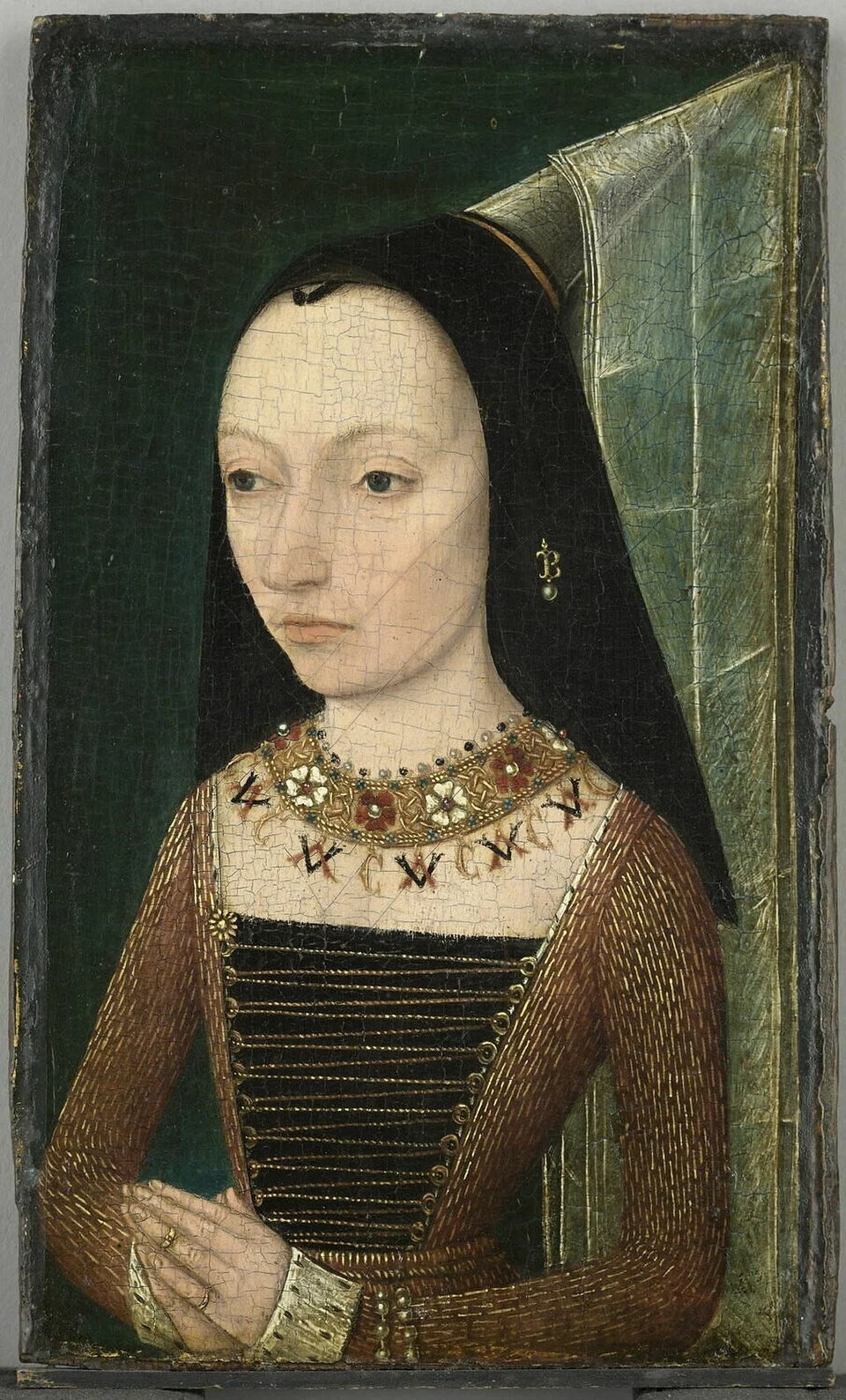
margaret of York
(Margarita di Yorck)
Brussels, in the year 1499, after the Wars of the Roses. The powerful dowager Duchess of Burgundy, Margaret of York, relentlessly schemes to restore a Yorkist king to the throne of England. She is bent on doing so, even if it means elevating a pretender with not a drop of royal blood. Enter Perkin Warbeck, the son of a lowly baker, who just happens to bear a striking resemblance to Margaret’s brother, the late King Edward IV of England. Margaret has Warbeck crowned as King in a sham ceremony, but she didn’t plan on one thing: falling in love with the charismatic and much younger man.
Her former lover, Count Gothland, driven by jealousy and concern that Margaret will find herself at the mercy of an angry mob, will stick at nothing to expose Warbeck as a fraud - even if it means driving his beloved Margaret to the brink of madness and to Warbeck (literally) losing his head.
Alessandro Nini (1805-1880) should have had a major career on the operatic stages of Italy. But he seems to have lacked the drive and luck to succeed in the cutthroat world of Italian opera in the 1840’s. With a modest output of 7 staged operas, Nini would - on paper - seem to be a minor figure in the pantheon of bel canto composers.
A deep dive into his scores is all it takes to prove that assumption false.
Margarita di Yorck was Nini’s fourth staged opera. Written for Venice’s Gran Teatro La Fenice, it had a troubled and contentious birth. A librettist who simply ghosted the composer, an impresario threatening Nini with fines and imprisonment, inadequate rehearsal, sophisticated orchestration, and difficult choral music conspired with a terrible cold that swept through the cast during rehearsals. Even with the understandably sloppy run of four performances, the European press recognized it as original, fresh, and full of ingenious melody and orchestration.
Despite Nini’s pride in the score and determination to have it produced again under better circumstances, the original manuscript and all copies mysteriously disappeared from the records soon after the seemingly cursed premiere. All that remains is a piano-vocal score by Ricordi.
Using this, Artistic Director Thea Cook edited a new vocal score that uses modern notation and corrects errors in the Ricordi edition. Attic Opera presents this compelling medieval drama - whose musical style foreshadows the Verdi of Nabucco and Ernani in many respects - for the first time since its ill-starred premiere. The opera will be presented in semi-staged concert form with piano.